The Boredom Deficit: Why Your Best Business Ideas Happen in the Shower
Why modern hyper-connectivity has created a chronic boredom deficit, suppressing the Default Mode Network and killing your best creative business ideas.
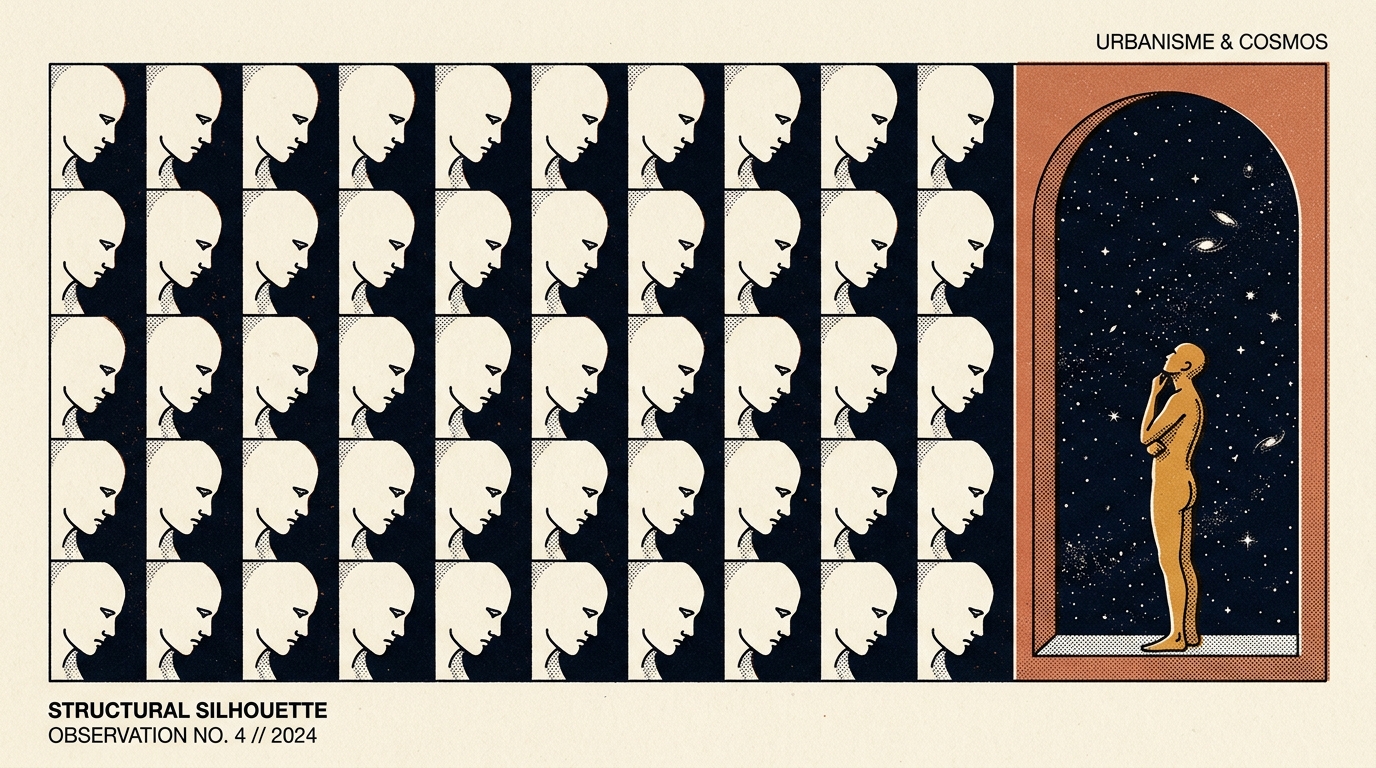
Why is it that our most lucid business ideas, architectural solutions, and creative epiphanies never strike when we are scouring industry feeds or refreshing our inboxes?
Instead, they hit when lathering shampoo in the shower, folding laundry, or staring blankly out a bus window.
This is not a coincidence. It is basic neurobiology. And today's smartphone culture has created a profound, dangerous boredom deficit that is quietly strangling human creative breakthroughs.
The Default Mode Network and Creative Incubation
The brain's Default Mode Network (DMN)—a constellation of interconnected regions including the medial prefrontal cortex and posterior cingulate—activates exclusively during periods of external rest, mind-wandering, and sensory calm. When active, it connects distant memories, solves complex problems, and sparks original insight.
When you stare into an algorithmic feed:
- Task-Positive Network Lock: Your brain is held in external stimulus processing. It is decoding pixels, reading copy, and evaluating social signals.
- DMN Suppression: The moment external input floods your visual cortex, the Default Mode Network shuts down.
- Synthesis Starvation: Unfinished thoughts, nascent project angles, and creative hunches cannot connect because there is zero unoccupied cognitive space for incubation.
`
Unbroken Scrolling: [High External Stimulus] ──> [Task Network Active] ──> [Zero Creative Incubation]
Sensory Downtime: [Absence of Screen Input] ──> [DMN Illuminates] ──> [Spontaneous Breakthrough]
`
The Extinction of the In-Between Moment
Before smartphones, daily life was punctuated by dozens of micro-moments of natural boredom:
- Waiting in an elevator for 40 seconds.
- Standing in line for a flat white.
- Walking between meetings.
- Sitting at a red light.
Today, every single one of these micro-moments is instantly cannibalized by the pocket-reach reflex. We treat five seconds of quiet like an emergency that must be quenched with audio, video, or notifications.
| State | Constant Micro-Stimulation | Intentional Cognitive Silence |
|---|---|---|
| Neural State | Constant input overload | Active associative synthesis (DMN) |
| Output Type | Derivative mimicry of trends | Unique, structural, original thinking |
| Mental Energy | Fragmented, low-grade fatigue | Spacious, intuitive, restorative clarity |
How to Re-Engineer Boredom into Your Daily Architecture
1. The Low-Stimulus Walking Practice
Commit to two 20-minute outdoor walks every week with zero headphones, zero podcasts, and your phone locked away. Let your attention drift along tree lines and architecture. The first ten minutes will feel uncomfortable; the eleventh minute is where breakthrough thinking begins.
2. Defend the Morning and Evening Void
Do not consume other people's thoughts before you have articulated your own. Guard your first 45 minutes of waking life and last 45 minutes of the evening as stimulus-free creative territory.
3. Enforce Friction on Compulsive Pocket Checks
When boredom hits, your thumb automatically navigates to high-dopamine icons. Use FocusWell to set Open Limits on social and news apps. Knowing you have only a few intentional launches per day forces your brain to stay present with boredom, unlocking the rich creative synthesis you have been missing.
Ready to break the compulsive scroll cycle?
Protect your creative headspace. Download FocusWell and eliminate mindless pocket checking.
Free 3-Day Trial•100% On-Device & Private•Native Apple Screen Time

Founder & Maker of FocusWell
Founder of FocusWell. Studying cognitive downtime and architectural creative conditions.